
Designing for
Immersive Environments

Live session — spatial design sprint
When the work gets difficult
Most design challenges in immersive environments don't have a clean answer. You'll hit moments where the reference material runs out and the next step isn't obvious. That's exactly when the structure of these workshops becomes useful — not as a rescue, but as a framework you can actually lean on.
Facilitators are available during live sessions and respond to questions between them. The pace is set to allow genuine experimentation, which means you won't be rushed past the hard parts.
Peer review rounds
Each assignment includes a structured feedback round with other participants — specific, focused, and limited to what actually improves the work.
Async Q&A channel
Questions posted between sessions get a written response within one working day. No forum drift, no unanswered threads.
Revision checkpoints
Before each new module, there's a short checkpoint where you can revisit the previous assignment with fresh eyes and updated feedback.
A familiar starting point
These are the kinds of situations participants describe when they first arrive. If any of them sound recognisable, that's not a coincidence.
Skills participants develop
Tuulikki Vanhanen
Interaction designer, came from a screen-first background
"I'd been designing for flat screens for years and kept hitting a wall when projects moved into spatial contexts. I didn't know what I didn't know. The first workshop session made that visible in a way that was uncomfortable but useful — the assignments forced me to make decisions I'd been avoiding."
Rasmus Öhberg
Architect transitioning into XR design
"My spatial instincts were fine, but I had no vocabulary for the interactive layer. The workshop gave me a way to think about user movement and attention in environments that respond to people. It took a few sessions before things clicked, but the structure was patient enough to let that happen."


What's actually available
Three workshop formats, each with a different scope and time commitment. They're not designed to be taken in sequence — each one stands on its own. Choose based on what you're working on, not on what sounds most impressive.
All formats run in small cohorts. Registration opens per cycle — check the schedule for current availability.
Spatial Design Intensive
A six-session workshop focused on designing environments where the user's physical or perceived position matters. Covers composition, scale, sightlines, and the logic of movement through designed space. Assignments use real briefs from architectural and XR contexts. You'll produce a documented design process, not just a final output.
- 6 live sessions, 90 minutes each
- 3 structured assignments with peer review
- Async support between sessions
- Documented process portfolio at completion
Interaction Layer Sprint
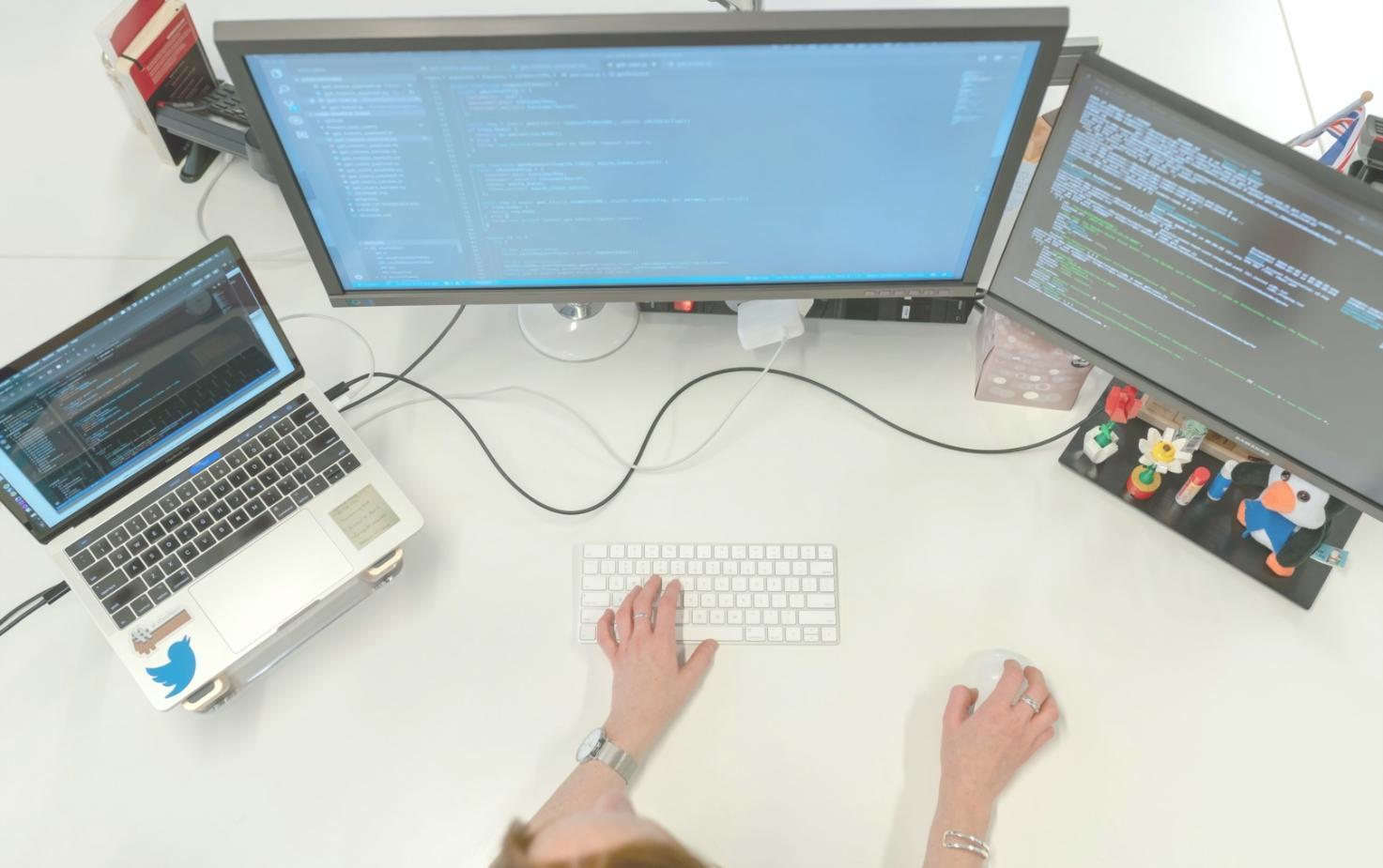
A shorter, faster format for designers who already have spatial instincts and want to work specifically on the interactive dimension — how environments respond to presence, gesture, and attention. Three sessions, one focused brief, one complete prototype.
- 3 live sessions, 2 hours each
- Single focused brief
- Prototype deliverable
Group Critique
A single session for people who have existing work and want structured feedback from peers and a facilitator. Bring a project at any stage.
- One 2-hour session
- Up to 5 participants
- Written notes provided
After the workshop ends
The point isn't the certificate or the session count. It's whether the way you think about immersive design problems changes. That takes time, and it doesn't happen automatically — but the structure here is built to give it a reasonable chance.
Participants who've gone through a full workshop cycle report that the most durable change is in how they frame problems before they start solving them. That's a slow shift, not a sudden one.
A process you can reuse
The assignments are designed to be transferable. The methods you use to analyse a brief during the workshop are the same ones you'll reach for on the next project — not because they're universal, but because you'll have practised them enough to adapt them.
Documented work you can show
Full-format workshops produce a documented design process — not just a final output. That documentation is yours to use in portfolio submissions, job applications, or internal pitches. It shows how you think, not just what you made.
Access to alumni sessions
Participants who complete a full workshop cycle are invited to periodic alumni critique sessions — informal, optional, and focused on work in progress. These run a few times a year and are kept small. They're not a community platform, just a continued conversation.
Honest about what it isn't
These workshops won't guarantee a career shift or a specific outcome. What they offer is a structured environment to do real design work, get specific feedback, and build habits that take time to form. The rest depends on what you bring and what you do with it after.